About us
Our story
Who we are
A new paradigm.
A new paradigm.
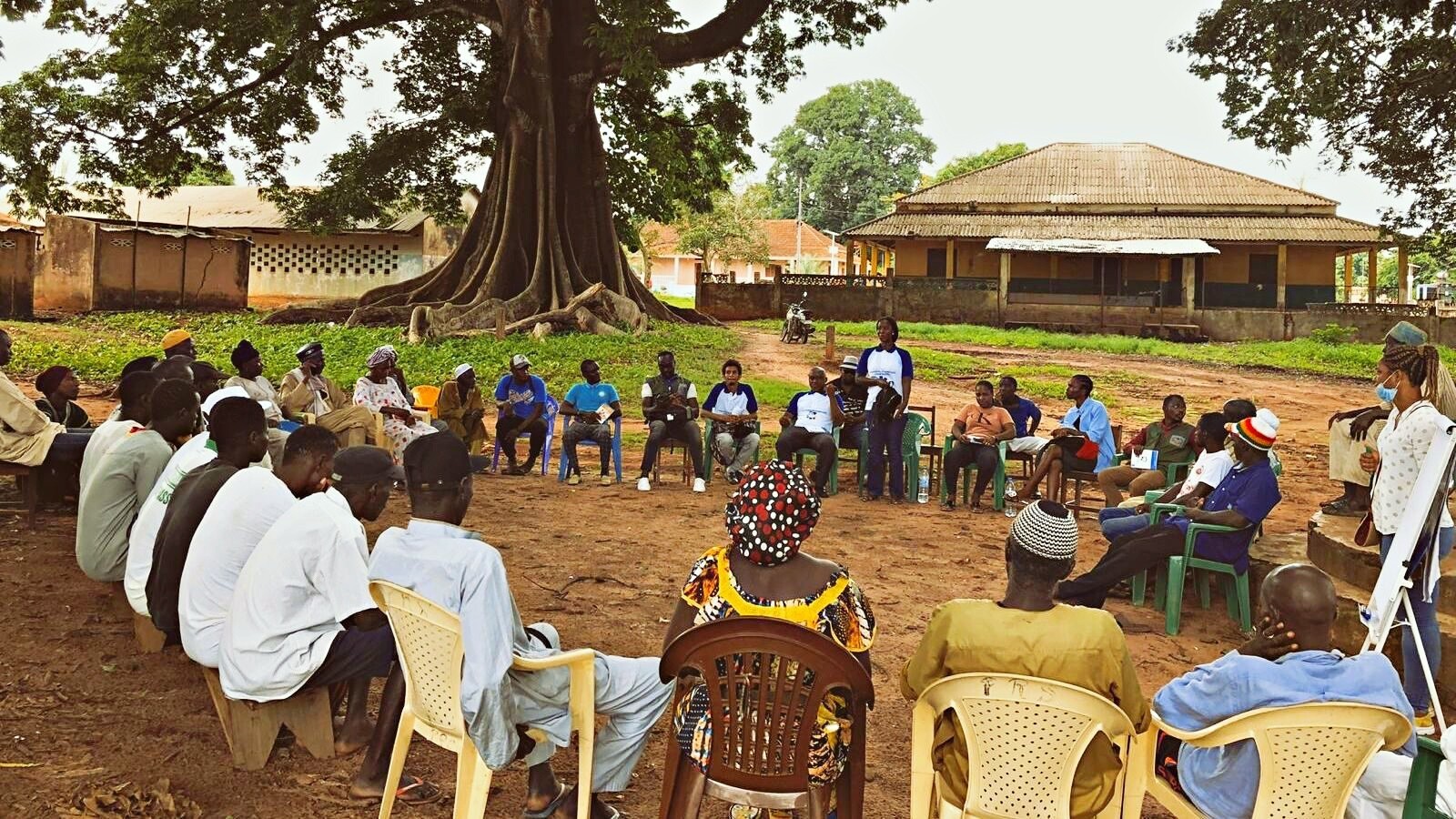
Re:design began with a simple observation: the people closest to development challenges are often the furthest from shaping the solutions.
After years working across different parts of the international development system—alongside governments, communities, and global institutions—we repeatedly saw the same pattern. Projects were designed far from the places where they would be implemented. Local organizations were expected to execute plans they had little role in shaping. Valuable knowledge already present in communities rarely made its way into decision-making.
At the same time, enormous resources were being mobilized for development. Yet the system often struggled to translate these resources into lasting impact. Initiatives remained fragmented and difficult to scale. Institutional incentives frequently prioritized spending budgets within annual cycles and complying with complex reporting structures, rather than enabling long-term learning, experimentation, and smart investment in solutions that could grow and evolve.
Meanwhile, the world itself is changing at a breathtaking pace. Geopolitical shifts, climate shocks, political instability, economic disruption, and technological transformation are reshaping societies faster than traditional development models can respond. At the same time, new actors are emerging that claim their rightful voices — from the Global South and from within societies themselves. Local innovators, civic leaders, municipalities, entrepreneurs, philanthropies, and mission-driven companies are increasingly shaping development pathways, not only as funders but as active partners in designing and implementing solutions.
These shifts require more than better projects—they require a different approach altogether. Drawing on systems thinking, human-centered design, and U-Theory, Re:design embraces the practice of deep sensing and designing not only interventions but the systems that shape them: listening carefully to the realities, experiences, and emerging possibilities within communities before rushing to solutions. This process helps actors move beyond reactive interventions toward more collaborative, respectful and future-oriented forms of change.
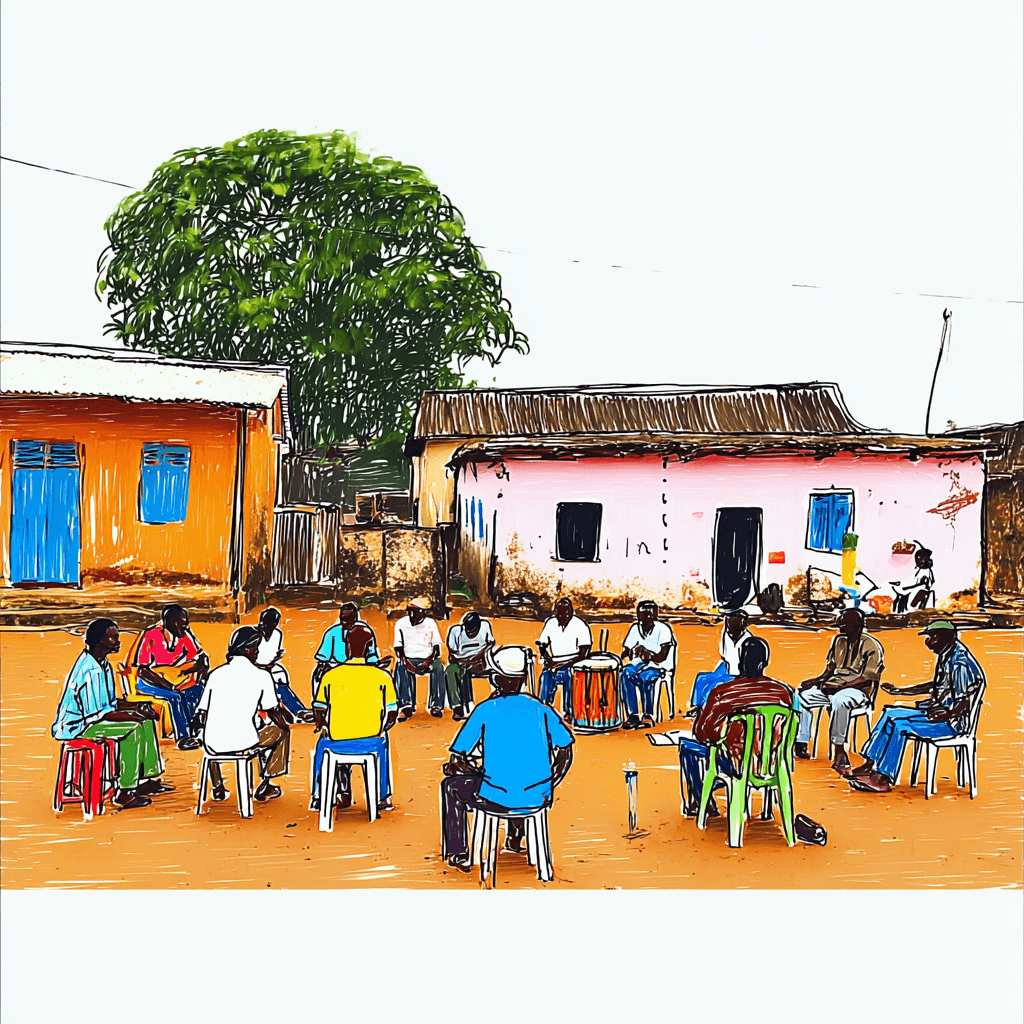
Re:design was created in response to this moment of transition. We believe international development is entering a new paradigm—moving from development as intervention toward development as co-creation.
Our ambition is to help build the infrastructure for this shift. By combining systemic understanding, human-centered design, and new digital technologies, Re:design enables people and communities, municipalities, and organizations to co-design solutions rooted in their own realities—while helping governments, donors, foundations, and private sector partners collaborate in ways that are more adaptive, participatory, and capable of learning in real time.
Re:design is ultimately about rethinking how development happens: moving from fragmented and bureaucratic processes toward approaches that are localized, fast-learning, collaborative, and built for complexity.
Re:design began with a simple observation: the people closest to development challenges are often the furthest from shaping the solutions.
After years working across different parts of the international development system—alongside governments, communities, and global institutions—we repeatedly saw the same pattern. Projects were designed far from the places where they would be implemented. Local organizations were expected to execute plans they had little role in shaping. Valuable knowledge already present in communities rarely made its way into decision-making.
At the same time, enormous resources were being mobilized for development. Yet the system often struggled to translate these resources into lasting impact. Initiatives remained fragmented and difficult to scale. Institutional incentives frequently prioritized spending budgets within annual cycles and complying with complex reporting structures, rather than enabling long-term learning, experimentation, and smart investment in solutions that could grow and evolve.
Meanwhile, the world itself is changing at a breathtaking pace. Geopolitical shifts, climate shocks, political instability, economic disruption, and technological transformation are reshaping societies faster than traditional development models can respond. At the same time, new actors are emerging that claim their rightful voices — from the Global South and from within societies themselves. Local innovators, civic leaders, municipalities, entrepreneurs, philanthropies, and mission-driven companies are increasingly shaping development pathways, not only as funders but as active partners in designing and implementing solutions.
These shifts require more than better projects—they require a different approach altogether. Drawing on systems thinking, human-centered design, and U-Theory, Re:design embraces the practice of deep sensing and designing not only interventions but the systems that shape them: listening carefully to the realities, experiences, and emerging possibilities within communities before rushing to solutions. This process helps actors move beyond reactive interventions toward more collaborative, respectful and future-oriented forms of change.
Re:design was created in response to this moment of transition. We believe international development is entering a new paradigm—moving from development as intervention toward development as co-creation.
Our ambition is to help build the infrastructure for this shift. By combining systemic understanding, human-centered design, and new digital technologies, Re:design enables people and communities, municipalities, and organizations to co-design solutions rooted in their own realities—while helping governments, donors, foundations, and private sector partners collaborate in ways that are more adaptive, participatory, and capable of learning in real time.
Re:design is ultimately about rethinking how development happens: moving from fragmented and bureaucratic processes toward approaches that are localized, fast-learning, collaborative, and built for complexity.
Carbon experts
Impact-obsessed
Carbon experts
Impact-obsessed
Mission & values
We're on a mission…
to empower communities to design, decide, and lead the initiatives that shape their future.
Ambitious
We help clients lead, not lag, on climate action
Practical
Clear, grounded advice that fits your business
Impactful
Designed to deliver measurable, lasting results
Collaborative
Built on trust, insight, and long-term partnership
Mission & values
We're on a mission…
to empower communities to design, decide, and lead the initiatives that shape their future.
Ambitious
We help clients lead, not lag, on climate action
Practical
Clear, grounded advice that fits your business
Impactful
Designed to deliver measurable, lasting results
Collaborative
Built on trust, insight, and long-term partnership
Mission & values
We're on a mission…
to empower communities to design, decide, and lead the initiatives that shape their future.
Ambitious
We help clients lead, not lag, on climate action
Practical
Clear, grounded advice that fits your business
Impactful
Designed to deliver measurable, lasting results
Collaborative
Built on trust, insight, and long-term partnership
0+
0+
Carbon footprints
0+
0+
Net-zero targets set
0+
0+
Reports published
0+
0+
Clients making reductions
0+
0+
Carbon footprints
0+
0+
Net-zero targets set
0+
0+
Reports published
0+
0+
Clients making reductions
0+
0+
Carbon footprints
0+
0+
Net-zero targets set
0+
0+
Reports published
0+
0+
Clients making reductions
Team
Meet our founders
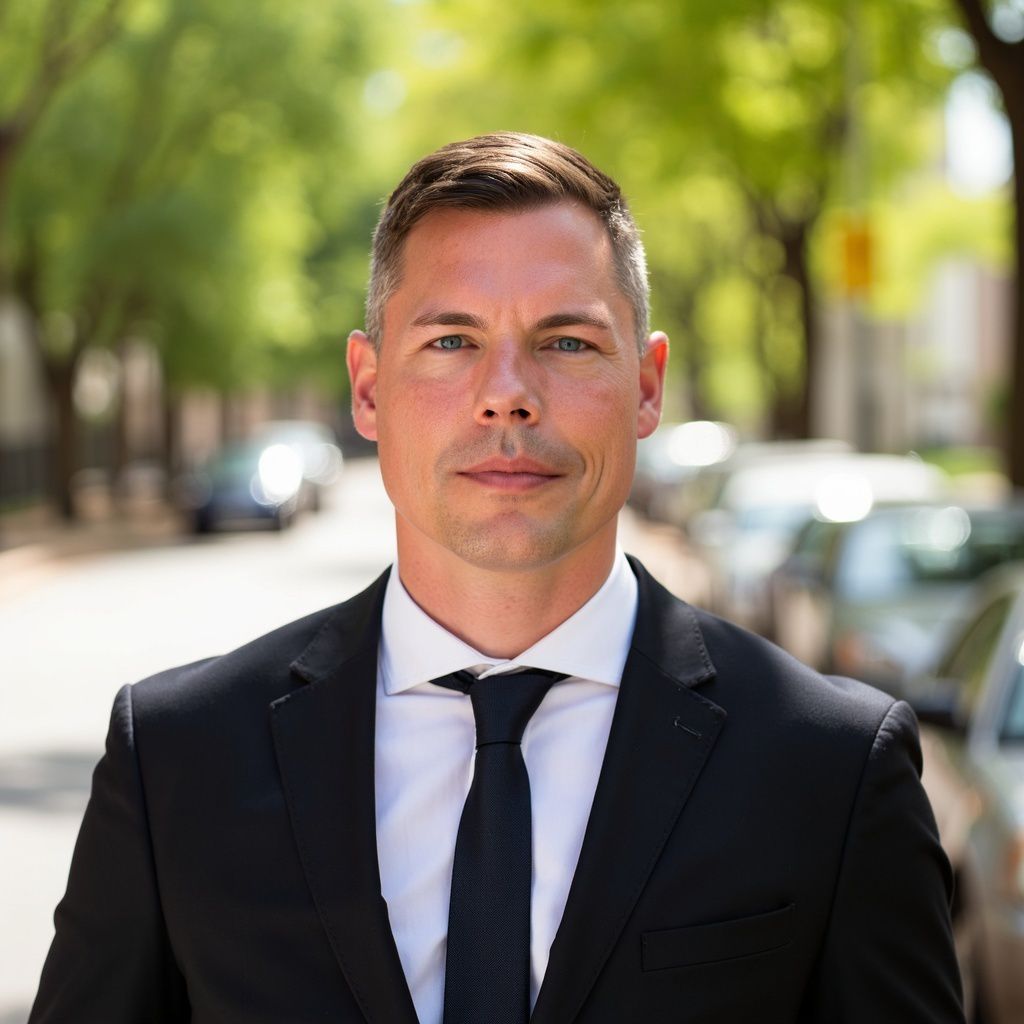
Tjark Marten Egenhoff
Founder & Managing Director
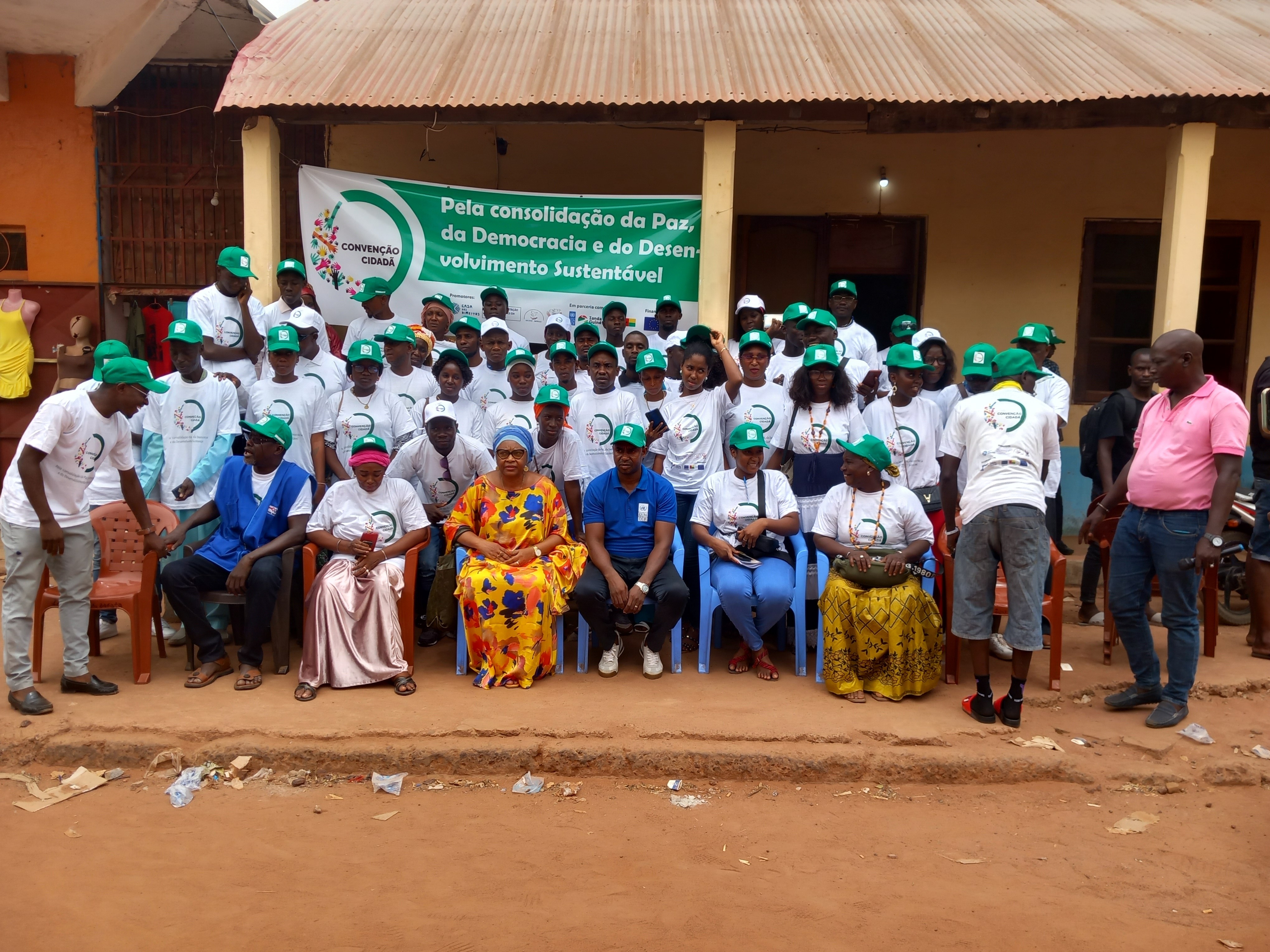
Tjark M. Egenhoff is an international development leader working on systems change in a rapidly evolving global landscape. Over the past two decades he has held senior roles across diplomacy, multilateral organizations, and the private sector, including serving as UNDP Resident Representative in Guinea-Bissau. As Founder and Managing Director of Re:design, he is building platforms and partnerships that enable localization, co-creation, and adaptive solutions to global challenges.

Team
Meet our founders
Tjark Marten Egenhoff
Founder & Managing Director
Tjark M. Egenhoff is an international development leader working on systems change in a rapidly evolving global landscape. Over the past two decades he has held senior roles across diplomacy, multilateral organizations, and the private sector, including serving as UNDP Resident Representative in Guinea-Bissau. As Founder and Managing Director of Re:design, he is building platforms and partnerships that enable localization, co-creation, and adaptive solutions to global challenges.
Team
Meet our founders
Tjark Marten Egenhoff
Founder & Managing Director
Tjark M. Egenhoff is an international development leader working on systems change in a rapidly evolving global landscape. Over the past two decades he has held senior roles across diplomacy, multilateral organizations, and the private sector, including serving as UNDP Resident Representative in Guinea-Bissau. As Founder and Managing Director of Re:design, he is building platforms and partnerships that enable localization, co-creation, and adaptive solutions to global challenges.
“GreenLeaf helped us not just meet reporting requirements—but actually use our carbon data to drive change. We now have a strategy that excites our board and resonates with customers.”

Hannah Reid
Capsule

“GreenLeaf helped us not just meet reporting requirements—but actually use our carbon data to drive change. We now have a strategy that excites our board and resonates with customers.”
Hannah Reid
Capsule
“GreenLeaf helped us not just meet reporting requirements—but actually use our carbon data to drive change. We now have a strategy that excites our board and resonates with customers.”
Hannah Reid
Capsule